Blurb Summary:
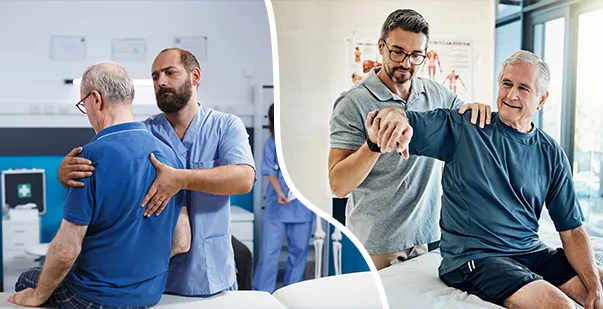
Interested in the DPT meaning? A Doctor of Physical Therapy (DPT) is the graduate degree to become a licensed physical therapist. This blog delves into what a DPT degree is all about, the important role DPTs have in healthcare—from rehabilitating injuries to treating chronic pain and neurological disorders—and how to become one of these fulfilling professionals. Whether you're thinking of physical therapy as a career or just want to know what DPT is, this guide has it all.
DPT stands for Doctor of Physical Therapy, a professional degree required to become a licensed physical therapist. It focuses on movement, rehabilitation, and pain management to improve patient health.
Physical therapy is a fast-growing field, with more students choosing this career every year. In fact, the national workforce for physical therapists is expected to grow by 18.2% over the next decade! To become a licensed physical therapist, you need to earn a DPT degree. If you are wondering about the DPT meaning, it stands for “Doctor in Physical Therapy.” This advanced degree trains professionals to diagnose and treat movement problems caused by injuries, diseases, or other health conditions.
Physical therapists help people improve mobility, recover from injuries, and manage pain so they can live healthier, more active lives. A DPT degree also prepares therapists to provide high-quality, patient-focused care in different healthcare settings. In this blog, we’ll break down what a DPT is, what it takes to earn this degree, and the exciting career opportunities it opens up.
Read More: What Is Professional Physical Therapy?
DPT Meaning
The term DPT meaning is Doctor in Physical Therapy. It is the highest degree available in the field of physical therapy. Unlike research-based doctorates like a Ph.D., the DPT focuses on practical skills. Graduates are trained to evaluate, diagnose, and treat patients using therapeutic techniques. They become licensed physical therapists who work directly with people to improve movement and manage pain.
DPTs work in various settings, including hospitals, outpatient clinics, sports facilities, rehabilitation centers, nursing homes, and even home healthcare. They may also work in schools or corporate wellness programs. In these environments, DPTs help patients recover from surgery, injuries, or conditions like arthritis, neurological disorders, and sports-related injuries.
Day-to-Day Responsibilities of a DPT
A Doctor of Physical Therapy (DPT) helps patients improve movement, reduce pain, and recover from injury. A DPT directly interacts with individuals throughout life on a daily basis—from young athletes to geriatric adults.
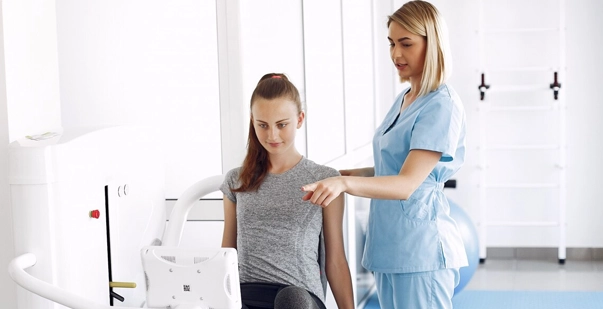
In a clinic or rehabilitation center, they start off by taking a patient's medical history and current symptoms. They perform physical exams to assess strength, balance, flexibility, and posture. Based on this, they create a customized treatment plan.
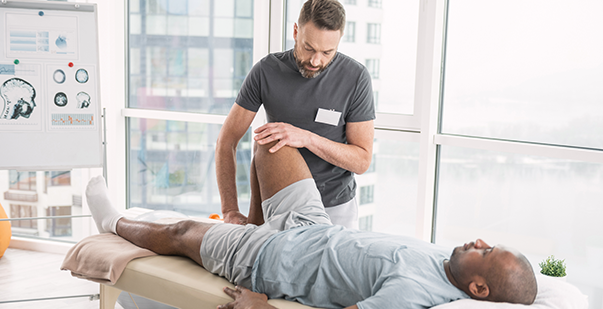
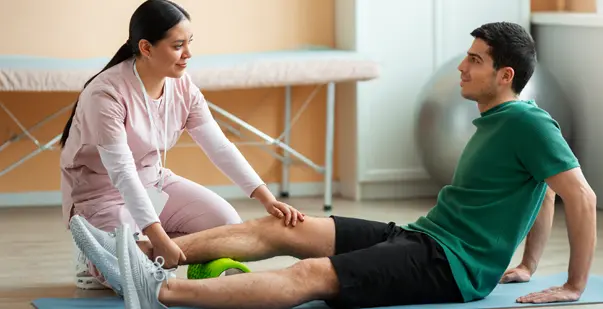
Treatment may involve exercises performed under their guidance, stretches, and hands-on therapies like joint mobilization or soft tissue massage. DPTs also use equipment such as ultrasound, electrical stimulation, or heat and cold therapy.
In hospitals, they assist patients in regaining motion following illness or surgery, like a stroke. They might closely work with doctors, nurses, and occupational therapists for supporting recovery.
Much of the work is educating patients. DPTs instruct in good movement techniques, posture, and exercises to do at home. They monitor progress and adapt treatment plans accordingly.
Each day, DPTs aim to enable patients to move better, feel better, and live more independently. It's a high-touch, human-oriented job with an intimate impact on quality of life.
Role of Physical Therapist with DPT
The role of physical therapists with DPT includes working to enhance mobility, reduce pain, and improve the quality of life for their patients. They play an important role in recovery and rehabilitation by addressing a wide range of health concerns:
Read More: Occupational Therapy vs. Physical Therapy
Helping with Musculoskeletal Conditions
Musculoskeletal conditions affect the body’s muscles, bones, joints, ligaments, and tendons. Physical therapists with a DPT are skilled in treating issues like sprains, fractures, and dislocations. They also assist patients recovering from surgeries, such as joint replacements.
For athletes, injuries like tendonitis, muscle tears, and bone issues are common. More than 3.5 million sports-related injuries occur each year, causing some loss of participation time for athletes. DPTs help them recover faster and return to sports stronger. They use methods like massages, cryotherapy, thermotherapy, and exercise plans to reduce pain, improve flexibility, and prevent future injuries. They even educate athletes on proper movement techniques to avoid further harm.
Managing Pain
Chronic pain, whether from arthritis, accidents, or other conditions, can limit someone’s ability to live comfortably. Physical therapists with DPT degrees use techniques like massage, needling, ultrasound, and electrical therapy to reduce pain and improve blood flow.
They also focus on strengthening weak muscles and helping patients adjust their daily routines to avoid pain returning. DPTs allow patients to live more active and independent lives while relying less on medication.
Supporting Neurological Disorders
Neurological disorders affect the brain, spinal cord, and nerves. Common conditions include strokes, Parkinson’s disease, and spinal cord injuries. These conditions can make it hard for people to move or live independently. Physical therapists with a DPT help patients regain mobility and independence. They use techniques like Dynamic Postural Therapy (DPT), which involves specific movements to strengthen muscles, improve joint flexibility, and enhance nerve function. It also uses feedback techniques to retrain the body’s movements and correct poor posture.
This therapy is especially helpful for patients with neurological conditions like strokes, cerebral palsy (CP), or multiple sclerosis (MS). It helps reduce muscle tightness, improve strength, and restore mobility.
Caring for Older Adults (Geriatric Therapy)
Older adults often face health challenges like arthritis, osteoporosis, and balance problems. DPTs work with them to reduce pain and maintain independence. They create exercise plans to improve muscle strength, flexibility, and balance. For example, exercises like chair squats and leg raises help build muscle strength, while stretching exercises such as hamstring stretches improve flexibility. These exercises also prevent future injuries and make daily activities easier.
For older adults with chronic illnesses like heart disease or diabetes, physical therapists help them stay active and manage their conditions. They use techniques such as joint mobilization and manual therapy to ease joint pain and methods like thermal therapy (using heat or cold packs) for pain relief and inflammation.
Read More: Exploring Online vs. In-Person Physical Therapy Continuing Education Courses
What is the Difference Between A PT and DPT?
The terms PT and DPT refer to physical therapists, but there’s an important difference between them. While both work to help patients improve movement and reduce pain, the education and training they receive differ. The table below provides a simple comparison between PT and DPT meaning:

Read More: Advanced Techniques in Physical Therapy Continuing Education Courses
Is DPT the Right Career Choice for You or Your Team?
With changing healthcare needs, adding talented Doctors of Physical Therapy (DPT) to your staff can lead to improved patient outcomes and business expansion. However, it's important to know what a DPT brings to the table and if they're a good fit for your organization.
DPTs blend strong clinical knowledge with excellent interpersonal skills to provide individualized rehabilitation and pain care. They are adept at patient interaction, problem-solving, and evolving treatment approaches to suit varied needs in any setting—be it hospital or outpatient clinic.
Effective DPTs possess strong communication, empathy, and resilience skills—features that boost patient satisfaction and enhance outcome rates. Their interventionist skills and clinical acumen make them irreplaceable members of multidisciplinary teams.
Training and keeping DPT professionals involves investment in continuous education and clinical growth. But the payoff is worth it: an engaged DPT staff enables higher quality care, efficiency in operations, and responsiveness in a competitive healthcare environment.
How to Become a DPT?
Becoming a Doctor of Physical Therapy (DPT) is a rewarding journey for those passionate about helping others improve mobility and reduce pain. A DPT degree takes three years and requires candidates to meet specific academic and practical requirements. Here’s a step-by-step guide to help you understand the process.
Step 1: Meet the Prerequisites
To apply for a DPT program, you need a master’s degree in fields like biology, kinesiology, or exercise science. You should also have a strong foundation in anatomy, physiology, and psychology. These subjects are important for understanding how the human body moves and functions.
Step 2: Fulfill Admission Requirements
Most DPT programs require a master’s degree with at least a 3.0 GPA on a 4.0 scale. You willl also need to submit GRE (Graduate Record Examination) scores. Additionally, many schools ask for proof of work experience, typically between 50 and 200 hours, under the guidance of a licensed physical therapist.
Step 3: Complete DPT Coursework
In the DPT program, you’ll study a variety of subjects required for physical therapy practice. These include biomechanics (the study of motion), kinesiology (how muscles and bones work together), pathology (diseases that affect movement), pharmacology (medications used in therapy), and neuroanatomy (how the nervous system affects movement). These courses will provide the knowledge needed to become a skilled physical therapist.
Step 4: Gain Clinical Training
Practical experience is a major part of DPT education. Clinical training takes place in hospitals, clinics, and rehabilitation centers. Here, students practice treating patients under supervision. This hands-on training helps them develop real-world skills and learn to handle workplace challenges.
Step 5: Complete a Research Project
In addition to coursework and clinical training, you will also need to complete a research project. This involves studying a specific area, such as patient care, therapy techniques, or rehabilitation. It helps you develop critical thinking and problem-solving skills. It is also a way to contribute new ideas to the field of physical therapy based on evidence and research.
Skills Every DPT Graduate Should Master
An excellent DPT requires more than medical knowledge. DPTs need to acquire a combination of technical and soft skills to treat patients successfully.
Effective communication is the foundation. DPTs have to communicate treatment plans in easy language and hear patients out carefully. Effective communication also comes in handy when communicating with physicians, nurses, and other healthcare workers.
Empathy is equally crucial. Patients become anxious, frustrated, or in pain. A DPT should be compassionate, patient, and understanding to gain trust and encourage recovery.
Clinical judgment assists DPTs in making intelligent choices while treating patients. They should evaluate symptoms, modify plans, and identify red flags.
Manual therapy skills are needed for direct treatment. These methods eliminate pain and enhance mobility.
Problem-solving and flexibility are essential too. There aren't two patients alike. DPTs have to be able to tailor care and deal with unforeseen problems.
Finally, DPTs need to be lifelong learners, staying current with new research, equipment, and methods in the industry.
Combined, these qualities make a DPT not merely a health care provider—but a trusted ally in healing and well-being.
Why a DPT Could Be Your Path to a Fulfilling Career!
A Doctor of Physical Therapy (DPT) degree is more than just an educational achievement. It’s a chance to make a real difference in people’s lives. When you understand the DPT meaning, you realize it is all about helping others recover, move better, and live healthier, more active lives. As healthcare puts more focus on rehabilitation and prevention, the need for skilled physical therapists is only growing. DPT graduates work in diverse settings, from hospitals to sports facilities and private clinics
If you are passionate about healthcare and want a career that combines knowledge, compassion, and hands-on care, a DPT degree is the perfect choice. Consider enrolling in an online course to continue your education and stay updated in this dynamic field.
FAQs
1. What is DPT in physical therapy?
DPT is an acronym for Doctor of Physical Therapy, a clinical doctorate degree one needs to become a licensed physical therapist in America.
2. Is a DPT equivalent to a physical therapist?
Yes — a DPT is an educated physical therapist who has received advanced education and clinical training. New PTs in America must now obtain a DPT to practice.
3. How is a DPT different from a Ph.D. in physical therapy?
A DPT is a clinical doctorate directed towards direct patient care and rehabilitation, whereas a Ph.D. is an academic doctorate geared towards academic or research careers in physical therapy.
4. What are the possible career opportunities a DPT degree offers?
With a DPT, you can practice in hospitals, clinics, sports complexes, rehab facilities, or even open your own practice. These include facilities that assist individuals to recover from injuries, manage pain, and gain mobility.
5. What makes physical therapy a good career choice?
The industry is expanding quickly, provides excellent earning potential, and has an opportunity to positively impact individuals' lives daily.




















.webp)

.webp)