Caring for someone, whether it’s an older adult or a family member with a long-term condition, can be meaningful but also challenging. Many people step into this role without the skills they need, which is why choosing a caregiver training course early on can make the experience smoother. Such training gives learners a clear view of the emotional, physical, and safety needs of the person they support.
A 2024 study by the National Institutes of Health reported that more than 85% of informal caregivers need additional training in at least one skill. This fact shows that caregivers are suddenly placed in demanding situations without proper guidance. That’s why several U.S. states have also recommended or established training standards for caregivers.
This blog explains the different types of caregiver training course options and what to review before enrolling.
Read More: CNA vs Caregiver: What’s the Difference & Which Career Is Right for You?
Understanding the Different Types of Caregiver Training Courses
Caregiver programs are structured training courses. They are designed to equip learners with important skills for offering informed, confident and safe care. These programs typically cover topics like mobility support, emergency response, assistance, etc.
When it comes to the caregiver course online, you will find several types of programs. Each comes with its own requirements and areas of focus. Some offer caregiver short-term courses for acquiring basics, and others provide industry-acknowledged credentials that stay valid for a longer duration. Below are some of the main options:
Personal Care/ In-Home Aide Training
This training is designed for caregivers who provide daily support in the home. The program typically covers:
Assistance with daily living tasks such as grooming, dressing, and bathing
Meal preparation and feeding
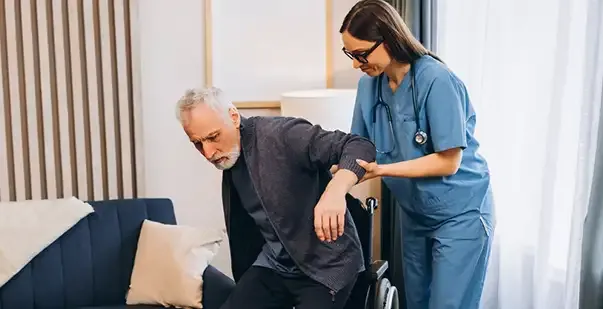
Mobility support, including helping someone walk or move safely
Many state-level training policies recommend this type of program for home care providers.
Medical Caregiver Training or Home Health Aide (HHA)
These Home Health Aide or Medical caregiver training course options are more comprehensive. They include monitoring chronic conditions, maintaining basic hygiene, preventing infections, and following safe care practices. This type of training is helpful for caregivers who manage medical or health-related needs at home. It is also useful for those seeking a formal credential.
Informal/Family Caregiver Training
This caregiver training program is crafted for individuals who care for their family or a friend. It teaches basic skills, support for day-to-day living needs and home safety. These courses can help family caregivers stay well-prepared and feel more confident.
Specialized Training (Hospice, Dementia, Elder Care and Behavioral)
Some accredited caregiver programs keep their focus on specific needs like elder care, hospice support, etc. These programs help the caregivers to manage unique challenges and offer compassionate and appropriate care effectively. They are an ideal choice for those caring for someone with specialized needs.
Agency/Provider-Based Training (For Organizations and Agencies)
Some agencies offer well-structured caregiver training courses that span from entry-level to advanced home-care training. These courses usually go way nd the skill-building and include assistance with job placement, guidance on career development, and options for continuing education.
Read More: Top Skills Every Senior Caregiver Should Learn
Critical Factors to Evaluate Before Enrolling in a Caregiver Course
Not every caregiver training program has the same standards. Some keep their focus on the basic skills only. Others offer complete instruction backed by strong industry relevance and acknowledged certifications. Due to such reasons, it becomes essential to evaluate several main components to ensure all learners get legitimate certification and overall value. The factors below show what distinguishes a good caregiver course from an average one.
State Adherence and Requirements
Caregiver training regulations vary widely by state. Some states, such as Louisiana, Arkansas, etc, require only a few training hours. However, others mandate around 75 hours or more. Before you opt for the caregiver course, you should check your state’s regulations. After confirming whether the course fulfills the legal standards. This can ensure that a person can work professionally as a caregiver once they finish their training.
Program Scope and Content
Make sure the program covers essential caregiving topics. These usually include infection control, personal care, client rights, hygiene, and mobility support. Individuals might come across courses that also teach about patient safety and communication skills. Once you want to offer more intricate or medical care, check to see if the program consists of medical tasks or training. Conducting proper research on the program content in advance can help you pick a course that fits your objectives.
Training Depth and Hours
Training hours across caregiver training programs. Some offer short introductory courses, while others provide 8 hours or more for advanced care.
Employer Acceptance and Recognition
Before enrolling, it’s helpful for learners to check whether a home-care agency or future employer accepts the credential. It also makes sense to see if the program has a track record of recognized training or job placement in the field. For anyone planning to work in a professional setting, choosing a course that is compliant with state regulations and meets employer expectations can make the process much easier.
Support for Continuous Education and Renewal
Knowledge in caregiving can evolve greatly. Some programs offer continuing education and refresher courses, along with advanced training in areas such as chronic disease care and dementia care. These options are valuable when you want to grow as a caregiver and stay updated on best practices.
Background Checks, Adherence Procedures and Safety
Some agencies and states in the United States require background checks, health screenings, and fingerprint clearance. These steps help to protect clients while also ensuring that caregivers adhere to safety and ethical standards.
Read More: How to Become a Certified Caregiver for a Family Member: A Step-by-Step Guide
Provide Trusted Care By Choosing the Right Course
Caregiver training can create a strong foundation for anyone offering personal care, specialized support, or medical assistance. The right caregiver training course increases confidence and strengthens the quality of care. It can also help you meet state and employer requirements.
Before you pick the program, check the caregiver certification exam schedule, your goals, and the type of role you want. If you are ready to begin the Caregiver Certification Program, enroll today. Choosing the right program supports safety, quality care, and trust for your loved ones and future clients.
Read More: Caretaker Vs Caregiver - Know the Differences
FAQs
Do all U.S. states require caregiver training?
No. Caregiver requirements vary by state. Some states, such as New York, mandate a specific number of training hours. Others only recommend training or regulate it partially.
What care tasks does a basic caregiver course cover?
Basic training usually includes personal care tasks such as hygiene, bathing, and feeding. It also covers mobility assistance, client rights, and basic safety practices.
Is an online caregiver course accepted in all U.S. states?
Not always. The acceptance relies heavily on the program content and whether it fulfils the requirements of the state or the hiring agency. Make sure to confirm this right before you enroll.
Can family members become skilled caregivers?
Yes. Many of the courses are crafted for informal caregivers and family members. They offer practical skills for day-to-day care and also aid in improving the safety at home.
How many training hours do caregiver courses usually require?
Many US states follow the federal guidelines of around 75 training hours. Some stats need more, depending on the job positions and local rules.
References:


















.webp)